Introduction: The Importance of Understanding Cable and Connector Types
In today’s increasingly interconnected world, cables and connectors are the unsung heroes quietly ensuring our digital lives run smoothly. From powering our devices to enabling high-speed data transfers, these components are pivotal in maintaining the seamless flow of information and energy. Yet, for many, the myriad of cable and connector types can be bewildering at first glance. Understanding these components is not only essential for tech enthusiasts but also for the average consumer looking to make informed decisions about electronics purchases. In this article, we aim to demystify these components for beginners, offering clarity and confidence to those seeking to navigate the world of cables and connectors.
For the tech-savvy individual or the everyday user, knowing the right cable and connector can save time, reduce frustration, and enhance your overall experience with technology. Imagine trying to connect a new device only to find that none of your existing cables fit; understanding which types you need beforehand can prevent such inconveniences. Furthermore, selecting the appropriate cable type can significantly affect the performance of your devices, influencing everything from data transmission speed to audio and video quality.
As we delve into the various cable and connector types, our goal is to empower you with the knowledge needed to make informed choices. Whether you’re setting up a new home theater system, upgrading your computer peripherals, or simply trying to understand the tangle of cords beneath your desk, this guide will serve as your go-to resource. Ready to explore the world of cables and connectors with us? Let’s dive in and unravel the complexities together.
Overview of Common Cable Types for Beginners
In today’s digitally connected world, understanding the various cable types can be both empowering and essential for navigating technology. Whether setting up a home office, enhancing your entertainment system, or diving into DIY electronics projects, a basic knowledge of cables can significantly enhance your experience.
Types of Cables
Firstly, let’s explore some of the common cable types that you’re likely to encounter:
- HDMI Cables: Essential for transmitting high-definition audio and video signals, these are commonly used to connect TVs, monitors, and gaming consoles.
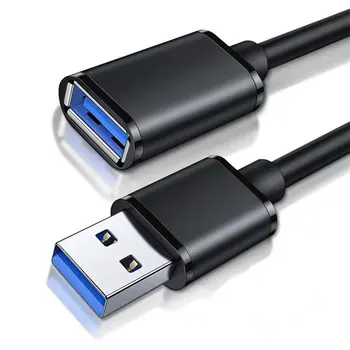
- USB Cables: Ubiquitous in the world of electronics, USB cables facilitate connections between computers and peripherals such as keyboards, mice, and cameras. They come in various forms, including USB-A, USB-B, and the increasingly popular USB-C.
- Ethernet Cables: These are used for networking purposes, providing a reliable internet connection through wired connections. They are vital for home and office networks where a stable connection is necessary.
- Audio Cables: Commonly used to connect audio equipment. Types include 3.5mm jacks, RCA connectors, and optical cables, each serving distinct audio needs.
Understanding Your Needs
When selecting cables, consider your specific requirements. For instance, if you’re setting up a gaming station, HDMI and USB-C cables are vital. For a home office, prioritize USB and Ethernet cables to ensure seamless connectivity.
Each cable type serves a unique purpose and understanding these can help simplify installations and improve performance. In this way, you’re not just stringing cords; you’re building connections that enhance everyday life.
Want to learn more about optimizing your setups with the right cables? Explore our full product line and discover how our solutions can fit perfectly into your digital lifestyle.
Detailed Exploration of Different Connectors and Their Applications
In the vast landscape of electronics, understanding the different cable and connector types is essential, not only for enthusiasts but also for anyone who interacts with technology daily. Connectors serve as the bridge between devices, ensuring seamless communication and power transmission. Let’s delve into some of the most prevalent connector types and their ubiquitous applications, offering insight into how they enhance everyday technological interactions.
USB Connectors
Universal Serial Bus (USB) connectors are arguably the most common, found everywhere from computers to smartphones. They come in various forms, including USB-A, USB-B, USB-C, and micro-USB, each with distinct characteristics. USB-C, for example, is favored for its fast data transfer rates and reversible design, making it a staple in modern devices. These connectors are used to charge devices, transfer data, and connect peripherals like keyboards and mice.
HDMI Connectors
High-Definition Multimedia Interface (HDMI) connectors are integral in transmitting high-definition video and audio between devices. They are a staple in home entertainment systems, connecting televisions to media players, gaming consoles, and computers. With advancements in HDMI technology, such as HDMI 2.1, users can experience enhanced video quality and audio clarity.
Ethernet Connectors
Ethernet connectors, also known as RJ45 connectors, are essential for wired internet connections. They facilitate stable and fast network connectivity, making them indispensable in both home and office environments. Ethernet cables are categorized by speed capabilities, with Cat6 and Cat7 being popular for their superior performance in high-speed networks.
Understanding these connectors not only empowers consumers to make informed purchasing decisions but also aids in troubleshooting and optimizing their tech setups. Whether you are setting up a new home theater or configuring a robust office network, knowing your connectors can enhance your tech experience significantly. Want to learn more? Explore our full product line or contact us for personalized advice.
Actionable Tips for Selecting the Right Cables for Various Projects
In the world of electronics, choosing the right cables can make all the difference between a smoothly running project and one fraught with connection issues. Whether you’re setting up a home theater system, installing network cables, or connecting peripherals to your computer, understanding how to select the right cables is crucial. Here, we will explore some actionable tips to help you make informed decisions that align with your specific requirements.
Understand Your Project Requirements
Start by clearly defining the scope of your project. Are you looking to transmit video signals, network data, or perhaps audio outputs? Each of these applications may require different types of cables, such as HDMI for video, Ethernet for networking, or RCA for audio. Ensure you understand the specifications needed for your devices to function optimally.
Consider Cable Quality and Length
Cable quality is paramount in ensuring signal integrity, especially over long distances. High-quality cables often come with better shielding, which minimizes interference. When it comes to length, longer cables may experience signal degradation, so opt for the shortest possible cable that meets your needs without excess slack.
Check Compatibility with Your Devices
Before making a purchase, verify that the cable connectors are compatible with your devices. This might seem obvious, but ensuring that connections such as USB, HDMI, or VGA match your equipment is vital to avoid unnecessary returns or exchanges.
Don’t Overlook Future-Proofing
Technology is ever-evolving, and selecting cables that can accommodate future advancements can save you from frequent upgrades. For instance, opting for the latest HDMI version can support higher resolutions and refresh rates, ensuring your setup remains relevant.
By taking these considerations into account, you can confidently choose cables that not only meet your current project needs but also enhance the longevity and efficiency of your electronics setup. Ready to get started? Explore our comprehensive guide on cable management and get the most out of your electronic devices.
Best Practices for Maintaining and Storing Cables
In the realm of electronics, cables are the unsung heroes that keep our devices connected and functioning seamlessly. To ensure longevity and optimal performance, it is essential to adopt the best practices for maintaining and storing these indispensable tools. Understanding how to properly care for cables not only saves money but also prevents the frustration of unexpected failures or replacements.
Regular Inspection and Cleaning
Regularly inspecting your cables for any signs of wear and tear is crucial. Look for frays, bends, or exposed wires, as these can lead to connection issues or even pose safety risks. Cleaning your cables with a soft, dry cloth can help remove dust and debris that might accumulate over time, ensuring a solid connection every time you plug them in.
Proper Coiling Techniques
One of the most effective ways to prolong the life of your cables is through proper coiling techniques. Avoid tight loops or knots, as these can cause internal damage to the wires. Instead, use the over-under coiling method to prevent twisting and tangling. This technique involves alternating the direction of each loop, which reduces stress on the cable and maintains its integrity.
Safe Storage Solutions
Storing cables in a designated box or drawer can protect them from physical damage. Consider using cable organizers or ties to prevent tangling, especially if you have multiple cables. Avoid storing them in areas with extreme temperatures or humidity, as these conditions can degrade the material and affect performance.
Avoid Overstretching
While it may be tempting to stretch a cable to its limits, doing so can cause permanent damage. Always ensure that cables have some slack and are not pulled tight when in use. This simple practice can greatly reduce the likelihood of internal wire breakage.
By following these best practices, you can significantly extend the lifespan of your cables, ensuring that your devices remain connected and reliable. For more insights into maintaining your electronics, explore our full range of guides and tips [link].
Explanation of Common Issues and Troubleshooting Tips for Cables and Connectors
Understanding the intricacies of cables and connectors can be a daunting task, especially for beginners who are just dipping their toes into the world of electronics. However, with the right guidance, many common issues can be easily identified and resolved, ensuring that your devices function smoothly and efficiently.
Common Issues with Cables and Connectors
One of the most prevalent problems users face is the wear and tear of cables. Over time, daily use can cause physical damage such as fraying or splitting, which can lead to connectivity issues. Additionally, improper storage or bending can result in internal wire damage, further compromising performance.
Another frequent issue is corrosion or dirt buildup on connectors, which can obstruct the connection between devices. This is particularly common in environments with high humidity or dust.
Troubleshooting Tips
- Inspect for Damage: Regularly check your cables for any visible signs of damage. If you notice fraying, it might be time to replace the cable to prevent further issues.
- Keep Connectors Clean: Use a can of compressed air or a soft brush to clean connectors. Ensuring they are free from dust and debris can significantly improve connectivity.
- Avoid Tightly Coiled Storage: When storing cables, avoid coiling them too tightly. This helps prevent internal wire damage and extends the cable’s lifespan.
- Test with a Different Device: If a cable is not working, try using it with another device. This can help determine if the issue lies with the cable or the device itself.
By taking these proactive steps, you can ensure that your cables and connectors remain in optimal condition, thus reducing the likelihood of disruptions.
Want to delve deeper into understanding the different types of cables and connectors? Explore our comprehensive guides and product offerings to find the perfect fit for your needs. Have questions? Feel free to contact us for expert advice and support.
Conclusion Encouraging Readers to Explore Vortex Electronic Supply’s Range of Cables and Connectors
In the vast realm of electronic components, understanding the myriad cable and connector types is crucial for both enthusiasts and professionals alike. Whether you’re setting up a simple home office or embarking on a sophisticated tech project, the right cable and connector can make all the difference in performance and reliability. Here at Vortex Electronic Supply, we pride ourselves on offering a comprehensive selection of cables and connectors that cater to every need, ensuring that you find the perfect match for your specific requirements.
Our product range is designed to demystify the complexities of electronic connections, making it accessible for beginners while still catering to the needs of seasoned professionals. We believe in empowering our customers with the knowledge and tools they need to succeed in their projects. Our user-friendly catalog provides detailed information and guidance, helping you make informed decisions.
We invite you to explore our diverse offerings, confident that you will find the quality and variety you seek. Whether you need HDMI cables for high-definition video, USB connectors for easy data transfer, or specialized cables for industrial applications, Vortex Electronic Supply has it all.
Ready to enhance your electronic setup? Dive into our extensive collection and discover the difference that quality cables and connectors can make. Visit our website today to learn more, or contact our team for personalized assistance. Your journey towards seamless connectivity begins with Vortex Electronic Supply.
Want to learn more about our products? Explore our full product line or contact us for expert advice. Let us help you connect your world with confidence.

0 Comments