
Introduction to the Importance of Cables and Connectors in Electronics
In the intricate world of electronics, cables and connectors serve as the unsung heroes, facilitating seamless communication and power distribution across devices. Whether you’re powering a simple gadget at home or spearheading the development of complex industrial machinery, the significance of these components cannot be overstated. They form the very backbone that supports the flow of data and electricity, ensuring that systems function smoothly, efficiently, and reliably.
Understanding the role of cables and connectors is essential for anyone navigating the electronics landscape. These components are pivotal in ensuring that devices communicate with each other, transferring essential data and power. For instance, in a home entertainment system, HDMI cables transmit high-definition video and audio signals, while USB connectors enable data transfer and power supply between devices.
However, the importance of these components extends beyond mere connectivity. They are integral to maintaining the integrity and performance of electronic systems. Poor quality or improperly chosen cables and connectors can lead to data loss, signal degradation, or even device damage, underscoring the need for careful selection and maintenance.
For businesses and individuals alike, investing in high-quality cables and connectors is not just about ensuring functionality; it’s about safeguarding equipment, optimizing performance, and ultimately enhancing the user experience. Reliable connections foster trust and satisfaction, key components in any successful consumer relationship. For those seeking to deepen their understanding of electronics, recognizing the value of these components is an essential step.
Want to learn more about how the right cables and connectors can enhance your electronic systems? Explore our full product line. Have questions? Feel free to reach out to our team for expert advice.
Understanding Different Types of Cables and Their Uses
In the rapidly evolving world of technology, cables and connectors serve as the lifelines that facilitate communication between various electronic devices. This section aims to unravel the complexities of different types of cables, providing clarity and insight into their specific uses, while maintaining a friendly and informative tone. Whether you’re a tech enthusiast or a casual user, understanding these essential components can enhance your experience and ensure seamless connectivity.
1. HDMI Cables
High-Definition Multimedia Interface (HDMI) cables are indispensable in the realm of modern electronics. They are primarily used to transmit high-definition video and audio from devices like Blu-ray players, gaming consoles, and computers to high-definition televisions and monitors. With their ability to carry both audio and video signals, HDMI cables streamline setups and reduce clutter, making them a favorite among home entertainment enthusiasts.
2. USB Cables
Universal Serial Bus (USB) cables are ubiquitous in the tech world, known for their versatility and ease of use. They connect a plethora of devices, including smartphones, tablets, printers, and external hard drives, to computers and chargers. USB cables come in various types, such as USB-A, USB-B, and the increasingly popular USB-C, each serving specific functions and offering different data transfer speeds.
3. Ethernet Cables
For those seeking reliable internet connectivity, Ethernet cables present a robust solution. These cables provide wired internet connections, known for their stability and speed, making them ideal for online gaming, streaming, and any activity requiring a stable internet connection. Unlike Wi-Fi, Ethernet connections are less prone to interference, ensuring consistent performance.
Understanding these cables and their uses not only helps in enhancing your technical proficiency but also aids in making informed decisions when setting up or upgrading your electronic systems. Want to learn more about optimizing your electronic setup? Explore our full product line and discover how our solutions can help you achieve seamless connectivity.
Exploring Common Connector Types for Various Applications
In the intricate world of electronics, connectors serve as the integral link that allows different components to communicate effectively. These essential elements can vary widely in design and purpose, but understanding their types is crucial for anyone involved in electronics, whether you’re a seasoned engineer or a tech enthusiast delving into DIY projects. Let’s delve into some of the most commonly used connector types and their applications.
USB Connectors
USB connectors are ubiquitous in the modern tech landscape, acting as the standard interface for connecting peripheral devices to computers. Their versatility is unmatched, allowing them to facilitate data transfer, power supply, and communication across a broad spectrum of devices, from smartphones to external hard drives. The evolution from USB-A to USB-C has only enhanced their functionality, offering reversible connectivity and faster data transfer rates.
HDMI Connectors
High-Definition Multimedia Interface (HDMI) connectors have revolutionized the way we transmit audio and video signals. Typically found in televisions, monitors, and gaming consoles, HDMI connectors offer a single-cable solution for high-definition transmission, ensuring a clutter-free setup and superior quality output. This makes them indispensable in both home entertainment systems and professional audiovisual setups.
Ethernet Connectors
Ethernet connectors, often recognized by their RJ45 designation, are the backbone of wired networking. These connectors provide reliable, high-speed internet connectivity essential for both residential and commercial settings. Their robust design and capability to handle high data throughput make them a preferred choice for network engineers and IT professionals.
Understanding these common connector types not only aids in choosing the right one for your project but also enhances the efficiency and reliability of your electronic systems. Whether you’re setting up a state-of-the-art home theater or crafting a new gadget, the right connectors ensure seamless operation and connectivity.
Want to learn more about how these connectors can fit into your next project? Explore our full product line [link]. Have a question? Drop it in the comments or contact us [link].
Key Considerations When Selecting Cables and Connectors
In the world of electronics, selecting the right cables and connectors is pivotal for ensuring optimal performance and reliability. Whether you are setting up a home theater system, building a computer, or installing a professional audio setup, understanding the key considerations for choosing these components is essential. In this guide, we will explore the primary factors that should influence your decision-making process.
Compatibility and Standards
One of the first considerations is ensuring compatibility with your existing devices. Cables and connectors come in various types and standards, such as HDMI, USB, and Ethernet. Each type has specific applications and compatibility requirements. For instance, HDMI cables are typically used for audio and video signals, while USB connectors are versatile and support a wide range of devices. Adhering to industry standards guarantees that your components will work seamlessly together.
Length and Flexibility
The length of a cable can impact the quality of the signal. Longer cables may lead to signal degradation, especially if they are not designed to handle the distance. Therefore, selecting the appropriate length is crucial. Additionally, the flexibility of a cable affects how easily it can be routed in tight spaces, which is often a consideration in complex setups.
Build Quality and Durability
Investing in cables and connectors with high build quality ensures longevity and reduces the likelihood of failures. Look for components made with durable materials and robust connectors that withstand frequent use without compromising performance.
Future-Proofing
Lastly, consider future-proofing your setup by choosing cables and connectors that support the latest technologies. This can include higher bandwidth capabilities or new standards like USB-C, which offer greater versatility and longevity in a rapidly evolving technological landscape.
By keeping these considerations in mind, you can make informed decisions that will enhance the performance and reliability of your electronic systems. Want to learn more? Explore our full product line to find the right components for your needs.
Maintenance and Care Tips for Long-Lasting Cables and Connectors
In the dynamic world of electronics, cables and connectors are the unsung heroes that keep our devices functioning seamlessly. However, like any other component, they demand proper maintenance to ensure longevity and optimal performance. Here are some insightful tips to help you care for your cables and connectors, maximizing their lifespan and efficiency.
Avoiding Physical Damage
The first step to preserving your cables and connectors is to avoid physical stress. Tugging or yanking on cables can weaken the internal wiring and connectors, leading to failure. Ensure that you unplug cables by gripping the connector itself rather than pulling on the cable. Additionally, avoid bending cables at sharp angles or tying them in tight knots, as this can cause permanent damage.
Regular Cleaning
Dirt and dust can accumulate over time, impeding the performance of connectors. Regular cleaning with a soft, dry cloth can prevent grime from settling in. For stubborn dirt, lightly dampen the cloth with isopropyl alcohol, but ensure connectors are completely dry before use. This simple measure can significantly enhance signal integrity and connection reliability.
Proper Storage
How you store your cables can also impact their longevity. Store them in a cool, dry place away from direct sunlight to prevent heat damage. Consider using cable ties or Velcro strips for organized storage, which helps in preventing tangling and unnecessary bending.
Inspect Regularly
Regular inspections can preemptively identify potential issues before they evolve into significant problems. Look for signs of wear such as fraying, discoloration, or bent connectors. Addressing these issues early can prevent costly replacements and ensure your equipment remains operational.
By adhering to these maintenance tips, you not only extend the life of your cables and connectors but also maintain the efficiency and reliability of your electronic devices. Want to learn more about optimizing your electronic setups? Explore our full product line for cutting-edge solutions that meet your needs.
How Cables and Connectors Impact Overall System Performance
In the intricate world of electronics, cables and connectors serve as the unsung heroes of connectivity, orchestrating the seamless linkages that drive system performance. For both tech enthusiasts and industry professionals, understanding the pivotal role these components play can be transformative. They may not be the most glamorous part of an electronic system, yet their impact on performance is profound and far-reaching.
Firstly, the quality of cables and connectors directly correlates with the efficiency of data transmission. High-quality cables minimize signal loss and electromagnetic interference, ensuring that data flows swiftly and accurately between devices. This is crucial for applications where precision and speed are paramount, such as in data centers or high-frequency trading environments.
Moreover, the durability and design of connectors influence the longevity and reliability of electronic systems. Connectors that are robustly designed to withstand environmental challenges—whether it be extreme temperatures or physical stress—ensure that the systems they support remain operational over extended periods. This is particularly important in industrial settings or outdoor applications where exposure to harsh conditions is inevitable.
Additionally, the compatibility of cables and connectors with existing systems is essential. Incompatibility can lead to system failures or costly downtime, impacting productivity and, ultimately, profitability. Thus, selecting components that align with system specifications is vital for maintaining operational integrity.
Finally, while it may be tempting to view cables and connectors as mere accessories, they are, in fact, integral to optimizing performance and reliability. For those seeking to enhance their system’s efficiency, investing in high-quality, well-designed cables and connectors is a prudent decision.
Want to learn more about how to choose the right cables and connectors for your needs? Explore our full product line here. Have a question? Drop it in the comments or contact us here.
Product Spotlight on Cables and Connectors Available at Vortex Electronic Supply
In the dynamic world of electronics, the importance of reliable cables and connectors cannot be overstated. At Vortex Electronic Supply, we pride ourselves on offering a diverse array of these essential components, designed to meet the varied needs of our clientele. Whether you’re an electronics hobbyist, a professional engineer, or a DIY enthusiast, our products are tailored to enhance your projects and deliver seamless connectivity.
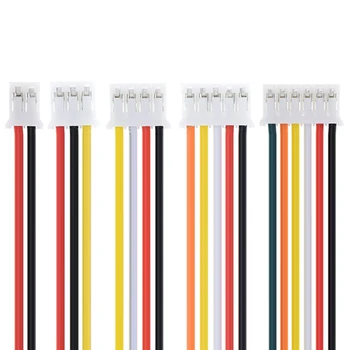
Our selection includes everything from standard USB and HDMI cables to specialized connectors for niche applications. Each product is meticulously sourced to ensure durability and performance, providing you with the confidence that comes from using components known for their reliability. By focusing on quality and innovation, we strive to offer solutions that not only meet but exceed industry standards.
At Vortex Electronic Supply, we understand the challenges faced by our audience. Whether it’s the need for faster data transmission, superior signal integrity, or robust physical design, our products are designed to address these issues head-on. We also offer expert guidance and support, ensuring you have all the information needed to make informed decisions.
Engage with our comprehensive product line to discover how our cables and connectors can transform your projects. Whether you’re looking to purchase or simply learn more about these essential electronics components, our expert team is here to assist. Ready to enhance your connectivity solutions? Explore our full product catalog today.


0 Comments